The PPWR 50% Empty Space Ratio: How to Measure and Comply
What counts as empty space, how it will be measured, and which formats are exempt
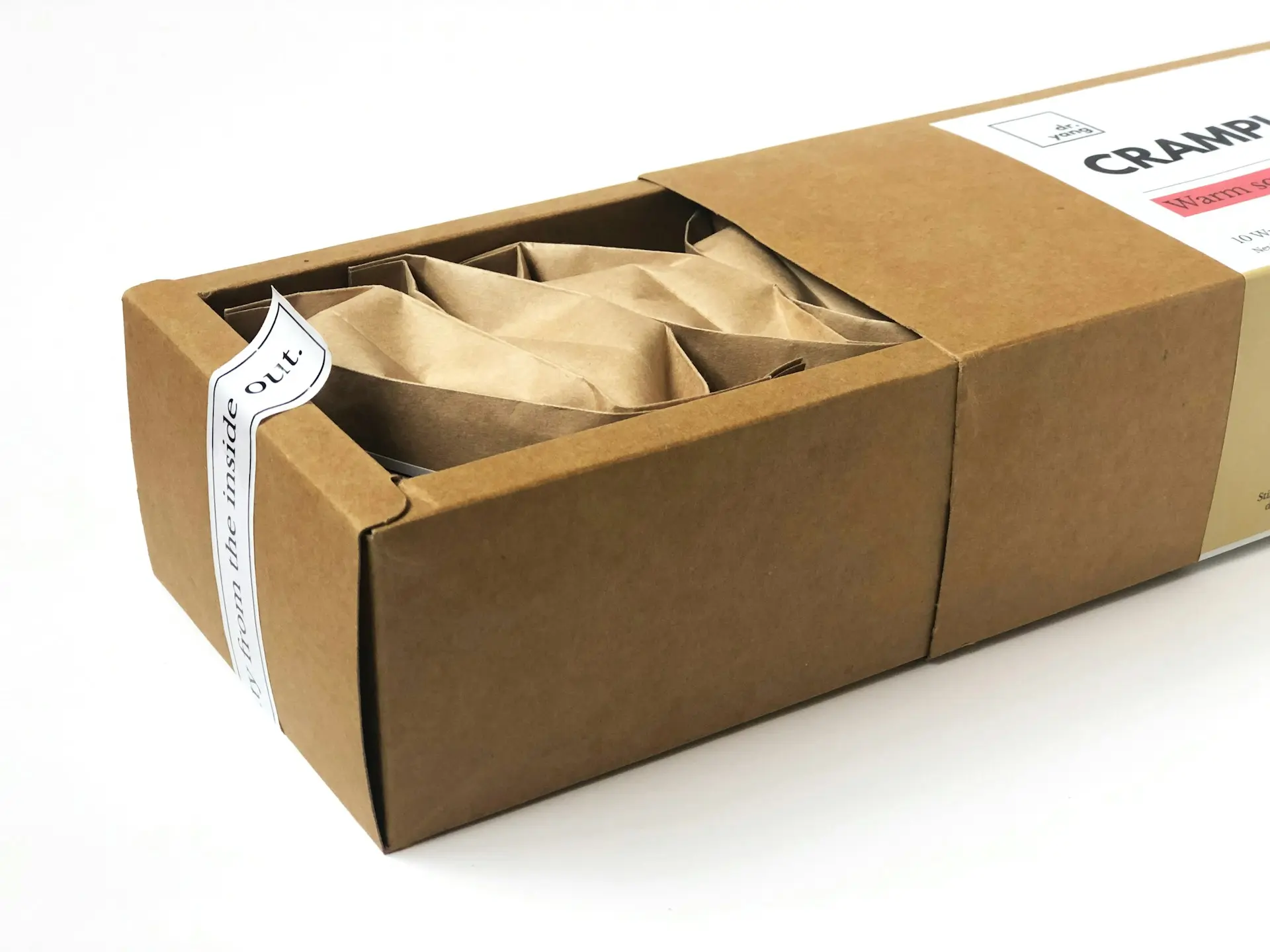
The PPWR will cap empty space in e-commerce, transport and grouped packaging at 50 percent of the box volume under Article 24. That cap is not in force yet: it applies from 1 January 2030, or three years after the Commission adopts the calculation methodology, whichever is later. Fillers – bubble wrap, air cushions, foam, paper cuttings – count as empty space, so padding an oversized box will not make it compliant.
Updated 19 August 2026: revised now that the PPWR (Regulation (EU) 2025/40) applies, since 12 August 2026, and to correct the dates for the Article 24 and Article 10 duties.
Most fulfilment centres buy a few standard box sizes, drop the order in, and fill the rest with bubble wrap. It is a logical operational choice today. It is the practice these rules are written to end.
Key takeaways
- The 50 percent empty-space ratio for transport, grouped and e-commerce packaging is a 2030 rule at the earliest, not a 2026 one.
- The earlier duty is Article 24(4): from 12 February 2028, sales packaging must have its empty space reduced to the minimum necessary.
- Fillers such as bubble wrap and polystyrene chips legally count as empty space.
- The Commission's calculation methodology is due by 12 February 2028, and the 50 percent cap starts three years after it lands if that falls later than 2030.
What is the PPWR empty space ratio packaging rule?
Under Article 24 of the regulation, economic operators who place transport packaging, grouped packaging or e-commerce packaging on the market must ensure the empty space ratio is a maximum of 50 percent.
Early drafts proposed a stricter 40 percent threshold, which is still frequently cited in industry discussions, but the final text set the cap at 50 percent. The rule targets the practice of shipping small retail items in large outer cartons: the EU is trying to stop the cost and emissions of transporting air across the continent.
Does void fill count as empty space?
Yes. This is the specific detail that catches most e-commerce sellers off guard. You cannot bypass the new regulation by stuffing an oversized box with protective materials.
Article 24(3) is explicit: fillers such as paper cuttings, air cushions, bubble wrap, foam, wood wool and polystyrene chips count as empty space. You cannot fill a large box with packing peanuts and call it full. Complying means shrinking the outer dimensions of the shipping container so it fits the product.
How will the calculation work in practice?
The basic maths compares the volume of the packed products against the total inner volume of the transport packaging. The exact technical methodology does not exist yet.
Article 24(2) requires the European Commission to adopt implementing acts by 12 February 2028 establishing the precise calculation methodology. That deadline is also what governs when the cap starts to bite: Article 24(1) applies from 1 January 2030, or three years after the methodology act enters into force, whichever is later. So an act delivered on time gives you 2031, and a late act pushes the date further out. Nobody can hand you the compliant box dimensions today, because the formula that decides them has not been published.
The 50 percent ratio is a 2030-at-the-earliest rule. The duty that arrives first is Article 24(4) on sales packaging, in February 2028.
Are there exceptions to the 50 percent cap?
Yes. Article 24(5) exempts two cases outright: sales packaging that is used as e-commerce packaging, and reusable packaging operating within a system for re-use. The reusable carve-out reflects that a heavy-duty returnable tote needs to survive many rotations and reverse-logistics cycles, and squeezing it to the cap would defeat the point of the system.
There are also carve-outs elsewhere in the design rules for packaging protecting products covered by an EU geographical indication or quality scheme, which the PPWR exemptions guide covers.
When do the empty space rules take effect?
Three separate dates, and it is worth keeping them apart.
12 February 2028 – sales packaging. Article 24(4) requires economic operators using sales packaging to reduce its empty space to the minimum necessary. This is the first of the three to bind, and it is the one most e-commerce sellers will feel first.
1 January 2030 at the earliest – the 50 percent ratio. Article 24(1), on the conditional timing above.
1 January 2030 – general minimisation. Article 10 requires packaging weight and volume to be reduced to the minimum necessary against the Annex IV criteria, and bans double walls, false bottoms and other tricks that make a package look fuller than it is. This is a 2030 duty. It is widely reported as a 12 August 2026 one, including in checklists written before the regulation applied, and that is not what the text says.
None of which is an argument for waiting. Right-sizing takes procurement lead time, and the packaging you buy in 2029 is the packaging you will be assessed on.
What should your operations team do next?
You need to review your packaging procurement immediately. If your business relies on buying massive quantities of generic, oversized shipping boxes to simplify warehouse operations, you need a new strategy.
You should explore right-sized packaging solutions, such as automated box-making systems, intelligent packing software, or dimension-scanning equipment that creates custom packaging for each order. Keep your PPWR technical documentation in step as you go: it has to cover the requirements applicable at the time you place the packaging on the market, so the empty-space calculations join the file when Article 24 starts to apply, not before.
Do not risk market exclusion because of missing supplier data. Let Gramta handle it to automate your compliance tracking and ensure your packaging data is always ready for inspection.
Sources:
Frequently asked questions
- What is the PPWR empty space ratio packaging rule?
- Article 24(1) requires transport, grouped and e-commerce packaging not to exceed a 50 percent empty space ratio, to stop small items shipping in oversized boxes.
- When does the 50 percent empty space cap take effect?
- It is not in force yet. Article 24(1) applies from 1 January 2030 or three years after the Commission adopts the calculation methodology implementing act, whichever is later. That act is due by 12 February 2028, so a late act pushes the cap past 2030.
- Does void fill count as empty space under the PPWR?
- Yes. Article 24(3) counts fillers such as paper cuttings, air cushions, bubble wrap, foam, wood wool and polystyrene chips as empty space, so padding an oversized box does not make it compliant.
- Is there an empty-space rule that applies before 2030?
- Yes. Article 24(4) requires economic operators using sales packaging to reduce its empty space to the minimum necessary from 12 February 2028. The separate Article 10 minimisation duty applies by 1 January 2030.
Reviewed by Anton Kröger