Single-Use Plastics Reporting: What Online Sellers Have to Declare
Which items are in scope, why they are counted as well as weighed, and what the PPWR changes
Single-use plastics reporting is a separate obligation from packaging EPR, governed by the EU Single-Use Plastics Directive and filed in a different national register – DIVID in Germany, for example, rather than LUCID. It asks for item counts as well as weight, and an item that is both packaging and a single-use plastic must be declared twice, with two sets of fees. Lightweight carrier bags are in scope once their wall is under 50 microns.
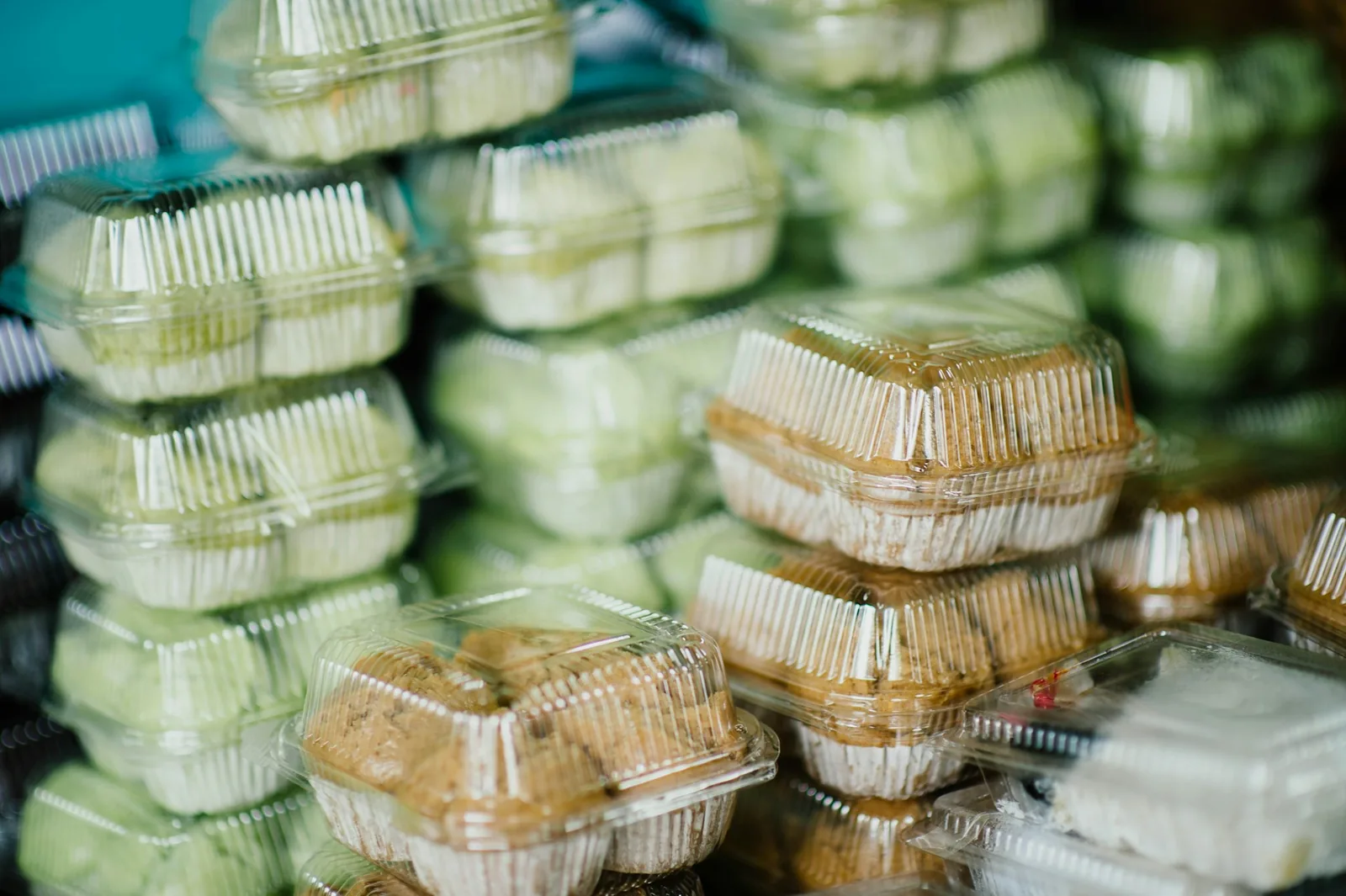
Updated 19 August 2026: revised now that the PPWR (Regulation (EU) 2025/40) applies, since 12 August 2026, and amends the Single-Use Plastics Directive.
If your catalogue includes food containers, film wrappers, beverage cups, lightweight carrier bags or wet wipes, this is the compliance gap most merchants miss.
Key takeaways
- SUP obligations sit alongside packaging EPR rather than inside it, with their own registers, declarations and fees.
- SUP reporting requires an exact item count, not just kilograms per material.
- From January 2030 the PPWR bans several formats outright, including single-portion condiment packaging and hotel miniature toiletries.
What is the double-reporting trap between EPR and SUP?
Packaging EPR covers the physical collection, sorting, and recycling of packaging waste. The Single-Use Plastics (SUP) Directive targets specific items that are frequently littered in public spaces, making producers financially responsible for the cost of municipal clean-ups.
Because they have different legal bases, they operate through different national registers. In Germany, your standard packaging is reported to the LUCID register, while single-use plastics must be reported to the German single-use plastics fund DIVID platform. In Denmark, both are handled by the same producer responsibility organisation, but under two entirely different statutory orders.
If a product qualifies as both packaging and a single-use plastic item, you must declare it in two separate registers and pay two different fees.
Crucially, the reporting metrics differ. Packaging EPR typically demands reporting in kilograms per material. Single-use plastics reporting asks for weight, but also mandates reporting by exact item count. For example, Swedish EPA guidance on single-use plastics requires producers to report both the material weight and the precise number of plastic cups and food containers placed on the market.
Which items trigger single-use plastics reporting?
The SUP rules apply to products made wholly or partly of plastic that are not designed to undergo multiple lifecycles. For e-commerce sellers, the most relevant categories include:
| Item category | Description | What to report |
|---|---|---|
| Food containers | Boxes with or without lids for food consumed immediately without further preparation. | Total weight and item count |
| Bags and film packaging | Flexible wrappers containing food intended to be consumed directly from the packet. | Total weight and item count |
| Beverage cups | Cups for liquids, including their plastic covers and lids. | Total weight and item count |
| Lightweight carrier bags | Plastic carrier bags with a wall thickness below 50 microns. | Total weight and item count |
| Wet wipes | Pre-soaked wipes for personal care or household cleaning. | Total weight and item count |
What are the marking and labelling duties?
The SUP Directive also imposes marking requirements for specific items. Products like wet wipes, beverage cups, and tobacco products with filters must carry a specific "plastic in product" printed logo. As outlined in German Federal Environment Agency guidance on the SUP rules, this mark alerts consumers to the environmental impact of littering the item.
The PPWR labelling requirements are completely separate from the SUP mark, and will mandate harmonised material-composition and sorting pictograms on packaging. Those are still ahead of us, and their date is conditional rather than fixed: Article 12 bites from 12 August 2028 or 24 months after the relevant implementing acts enter into force, whichever is later. The acts were due on 12 August 2026 and had not been adopted as of 19 August 2026, so treat 2028 as the earliest possible date rather than the real one. A single-use plastic cup will eventually need both marks.
Figuring out exactly which items need to be counted and weighed across several countries takes hours. See how Gramta pulls both sets of numbers from your real orders.
How does the PPWR change the picture?
The Packaging and Packaging Waste Regulation has applied across the EU since 12 August 2026. The SUP Directive remains a separate law with its own registers and its own item counts, so nothing about the double-reporting split above has gone away.
But the PPWR does not sit entirely outside it either: Regulation (EU) 2025/40 amends Directive (EU) 2019/904 through its Article 67, and one part of that amendment, Article 67(5), is the single provision the Regulation defers, applying from 12 February 2029 rather than 12 August 2026 (Article 71). If your catalogue sits close to the SUP boundary, check the current consolidated text of the Directive rather than a pre-2026 summary of it.
The change most sellers will feel is later still: the PPWR introduces outright bans on several single-use formats from 1 January 2030.
According to Annex V of the EU Packaging and Packaging Waste Regulation, formats that will be prohibited across the EU include single-portion condiment sachets, miniature hotel toiletries, and plastic shrink wrap used to group bottles or cans at the point of sale.
If you want to understand exactly what the PPWR requires, the regulation acts as a lex specialis. This means it works in tandem with the SUP Directive. Where the SUP Directive restricts consumption and manages litter, the PPWR governs the design and recyclability of whatever is left on the market, which is where the A, B and C recyclability grades start to bite. Understanding the differences between the EPR and PPWR frameworks is critical as we approach these deadlines, especially if you need to source materials that hit the PPWR recycled content targets arriving in 2030.
What should you do this quarter to stay compliant?
If you have never filed a single-use plastics declaration, follow this short sequence to get compliant:
- Audit your catalogue. Check your products against national SUP definitions. For example, Danish rules on covered single-use plastic products specify exactly which food containers and wraps trigger the obligation.
- Register in national portals. Do not assume your packaging Producer Responsibility Organisation handles this automatically. You must actively register in specific portals like the German DIVID system.
- Extract item counts. Configure your store data to export exact item quantities alongside material weights for the previous calendar year.
- File and pay. Submit your quantities and pay the required eco-contribution levy to fund local waste management and litter clean-ups.
Stop wrestling with spreadsheets to manually count wrappers and cups. Get started with Gramta and turn your real e-commerce orders into the reports each scheme asks for, covering both packaging EPR and single-use plastics across the EU.
Sources:
- EU Single-Use Plastics Directive 2019/904
- German single-use plastics fund DIVID reporting platform
- Swedish EPA guidance on single-use plastics
- Regulation (EU) 2025/40 on packaging and packaging waste
- Regulation (EU) 2025/40, Articles 67 and 71
- European Commission PPWR FAQs
- Danish rules on covered single-use plastic products
- German Federal Environment Agency guidance on the SUP rules
Frequently asked questions
- Is single-use plastics reporting the same as packaging EPR?
- No. Single-use plastics obligations are governed by the EU Single-Use Plastics Directive and require separate registrations and declarations, often tracking items by count instead of just weight.
- What happens if a product is both packaging and a single-use plastic?
- You must report it twice. It must be declared in the packaging EPR register by material weight, and in the single-use plastics register by weight and item count.
- Which single-use plastics will be banned by the PPWR?
- From January 2030, the PPWR bans several formats including single-portion condiment packaging, hotel miniature toiletries, and grouped plastic shrink wrap.
- Which items count as single-use plastics for reporting?
- Food containers, bags and film packaging, beverage cups, lightweight carrier bags under 50 microns, and wet wipes all trigger single-use plastics reporting, tracked by both weight and item count.
- Do single-use plastic products need special labelling?
- Yes. Wet wipes, beverage cups, and tobacco products with filters must carry a "plastic in product" printed logo under the SUP Directive, separate from the PPWR's own labelling requirements.
Reviewed by Daniel Vaknine